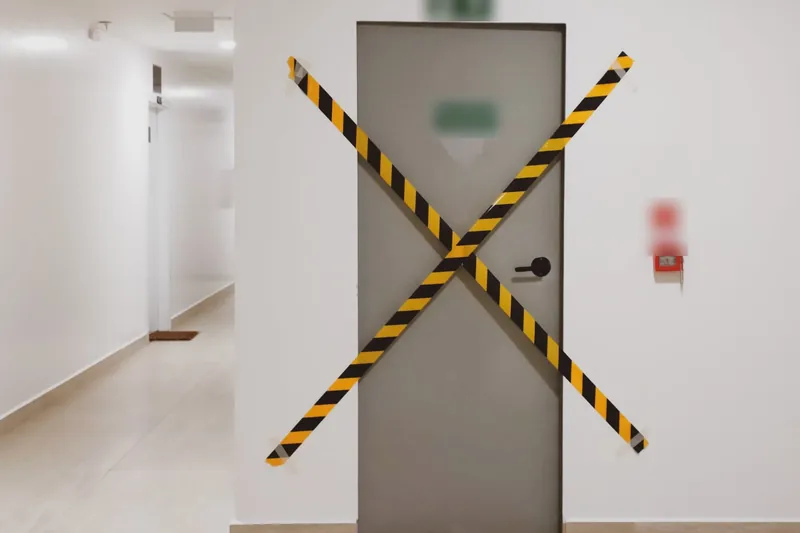
Homicide Cleanup
Once the investigation ends, contaminated materials, blood and tissue are cleared during homicide cleanup.
See homicide cleanupGet blood, body fluids, fingerprint powder and odor removed from a home, apartment, rental or business in Pearl District once police release the property. Most crime scene cleanups take one to three days.
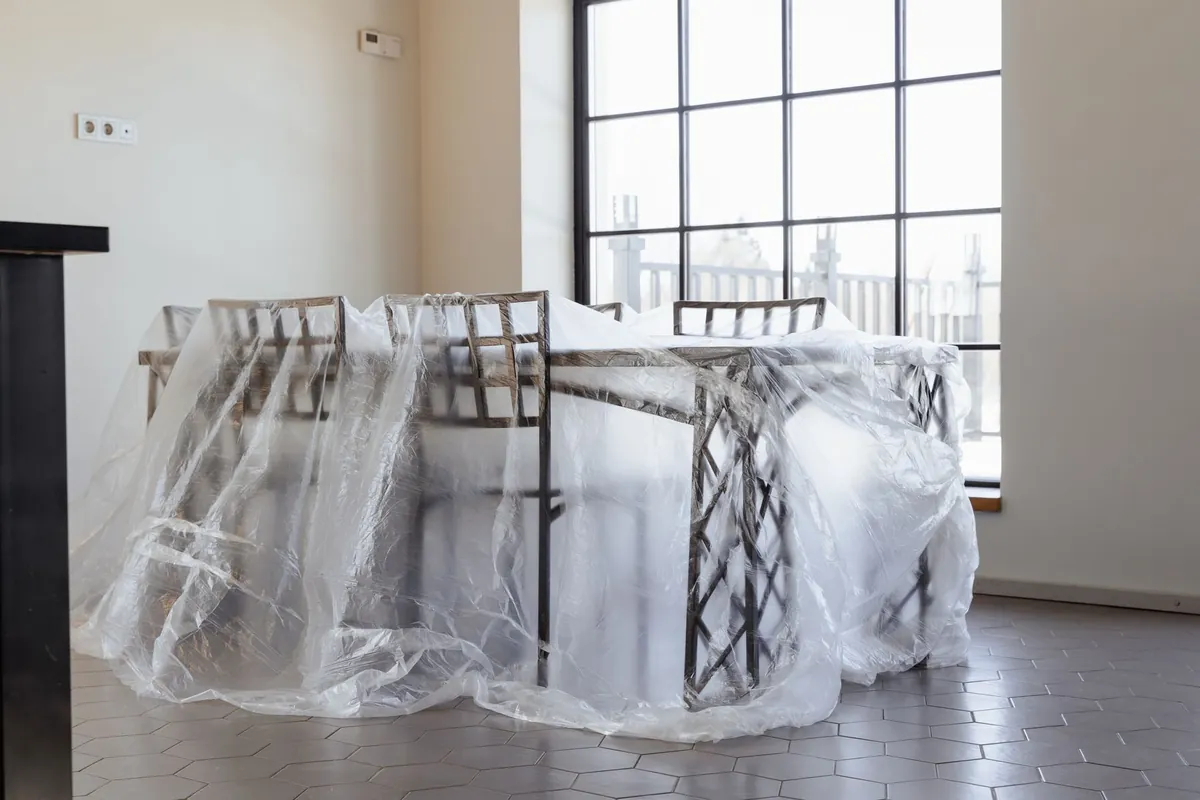
Crime scene cleanup is the process of making a property safe to use following a violent crime. Tissue, body fluids, contaminated materials and blood are taken away, and the area is then disinfected and cleared of odor. Forensic cleaning and trauma scene cleanup are other names for this work.
It starts where the investigation ends. Police, detectives and the medical examiner collect evidence and remove the deceased, but they do not clean. The scene is released to the property owner, the family or the landlord, and the cleanup becomes their responsibility.
Crime scene cleaners, also called forensic cleaners or a forensic clean up crew, treat every drop of blood as infectious. They trace how far it traveled, remove what cannot be disinfected, clean and treat every surface, and haul the hazardous materials away under medical waste rules. It is a form of biohazard remediation, and the cleanup process covers these steps from start to finish.
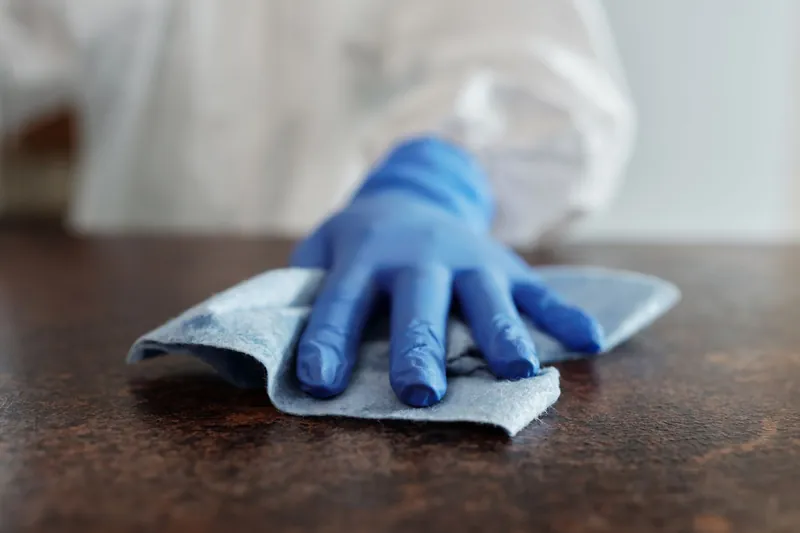
Crews put aside photos, papers and meaningful belongings for you to examine before any disposal.
Calls are answered day and night, and crews arrive in unmarked vehicles so neighbors do not know what happened.
Prepared photos, waste paperwork and scope details are available for landlords and insurance companies so you can move forward.
You receive an explanation of each step and price factor before work, allowing an informed decision for your family.
You may need crime scene cleaning services whenever blood or body fluids remain after a violent event. Typical situations include:
A private service means your family does not need to confront the scene.
Commercial crime scene cleanup in offices, stores and warehouses, with work areas isolated during cleaning.
A standoff may leave tear gas or pepper spray deposits across ductwork, textiles and wall surfaces.
Floors, furniture and walls can have blood and tissue in several rooms.
The first hours matter for your health, your insurance claim and the final cost. Before the cleanup technicians arrive:
Call (888) 440-9227Guides list an usual price of $1,500 to $7,500 for a residential crime scene cleanup. Cleaning a small patch of blood on a hard surface costs less, at $500 to $2,500 per job, and multi-room scenes or blood under the floor can run $10,000 and up. Companies quote by the job rather than by the hour, and the on-site assessment fixes your price.
These national ranges are taken from published cost guides, rather than a property visit. The price for your property is set after the on-site assessment, and you hear it before work starts.
Ask about cost: (888) 440-9227Crime scene cleanup coverage is determined by the terms in your renters or homeowners policy. The loss may qualify as sudden and accidental, subject to your deductible.
Victims of violent crime can ask the Oklahoma Crime Victims Compensation Program, run through the Oklahoma District Attorneys Council, about crime scene cleanup, which the Crime Victims Compensation Act lists as an allowable expense. Insurance is usually checked first.
For common spaces or rented units, crime scene cleanup is generally arranged and paid for by the owner.
Coverage after a violent crime depends on the terms of your homeowners or renters policy. Tell your insurer about the event soon and save the claim number.
Find out if biohazard cleanup is covered, if the cleanup company is your choice, and what records and photos the adjuster requires.
Every crime scene is different, but the crime scene cleanup process, often called the remediation process, follows the same safe order through the entire process, from the first walk-through to the final inspection.
Technicians inspect and photograph the scene alongside you or your representative, then get agreement on the scope before beginning.
Plastic barriers and negative air isolate the affected area while technicians use complete personal protective equipment.
Crews cut away soaked mattresses, furniture, carpet, pad and drywall, then bag and seal them as medical waste.
Every surface is cleaned, then treated with EPA-registered, hospital-grade disinfectant for the full contact time.
Odors are addressed where they begin with air scrubbers, ozone or hydroxyl machines, while HVAC vents receive inspection.
Each sealed container is followed through delivery by paperwork and taken to an authorized medical waste treatment site.
Surfaces can be checked with ATP testing, and you get photos and records for your insurance claim.
After the affected materials are removed, your chosen contractor or an insurer-selected vendor can install new flooring and drywall.
You can call anytime. A crime scene cleanup specialist answers, explains the steps and agrees a start time with you.
Blood and bodily fluids can carry serious health risks, and the contamination you can see is rarely all of it.
The task of cleaning a place where your loved one suffered can feel overwhelming. That burden alone leads many families to hire professional crime scene cleaners.
Carpet does not stop blood from reaching the pad and subfloor, while grout and spaces under baseboards can trap it. A surface-only cleaning leaves concealed residue that can bring back bacteria and odor.
Saturated items count as regulated medical waste. They cannot go in household trash or a dumpster, and must go to an approved treatment facility.
Can you clean it yourself? A few drops of fresh blood on a hard, non-porous surface can be cleaned with gloves and an EPA-registered disinfectant. Anything that reached fabric, carpet, wood or drywall, or any amount you cannot see the edges of, needs professional cleanup.
Blood-soaked material has to be removed, while material that allows complete disinfection can be cleaned.
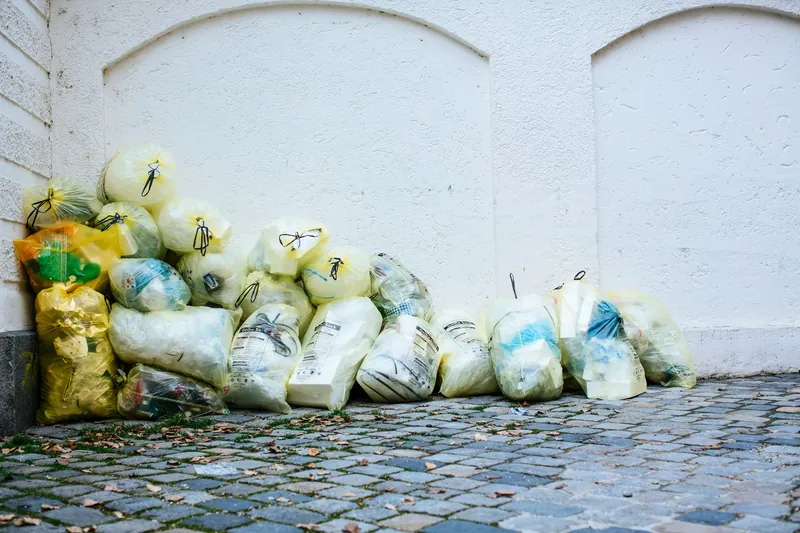
Most crime scene cleanups take one to three days on site. A small, recent scene can be finished in a day, while heavy scenes with structural removal take two to five days.
| Scene | Typical time on site |
|---|---|
| Light scene, one area | Often one to two days |
| Typical scene, one to two rooms | Often one to three days |
| Major scene with multiple rooms or removed subfloor | Often two to five days |
The source must be removed before the odor can be addressed. Spraying fragrance on tissue or blood masks the smell for just a few days.
After the contaminated materials are gone, the cleanup team can use HEPA air scrubbers to capture particles, hydroxyl generators that are safe to run while people are present, and ozone treatment in empty rooms for stubborn odor. Thermal fogging reaches odor in fabrics and wall cavities, and HVAC ductwork is checked so smell does not travel to other rooms.
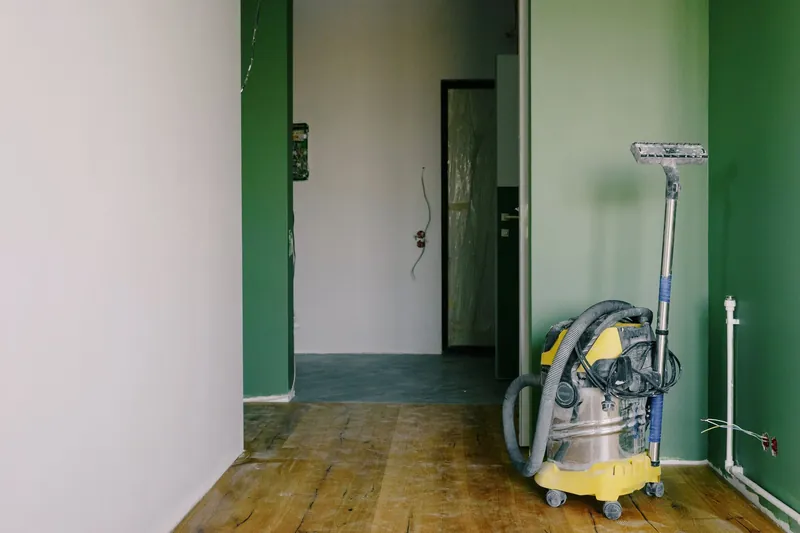
The full crime scene cleanup guide covers what is cleaned or removed, odor and air quality work, and the rules that apply in Tulsa County and Oklahoma.
Read the full crime scene cleanup guidePlanning for access, containment and cleanup can depend on local population, housing and entry conditions.
If direct exposure occurs, the closest listed emergency option is Ascension St. John Medical Center, about 1.3 miles away, not the cleanup site.
With Central Park, Tracy Park, and Cherry Street District close by, a complete address and entrance details keep the visit private and easy to find.
A cleanup plan for this neighborhood should account for adjacent homes or units when setting odor control and containment boundaries.
During your call, ask whether cleanup is available in surrounding communities and ZIP codes.
Once the investigation ends, contaminated materials, blood and tissue are cleared during homicide cleanup.
See homicide cleanup
Careful, private suicide cleanup keeps family members from having to confront the scene.
See suicide cleanup
Trauma scene cleanup is needed after violent events, accidents and injuries.
See trauma scene cleanup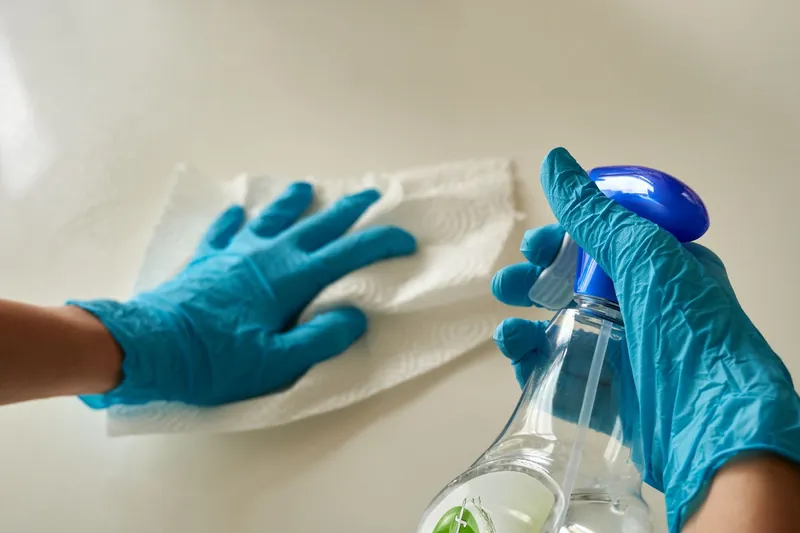
Walls, carpets, furnishings and hard floors receive blood cleanup, with safe disposal afterward.
See blood cleanup
Cleanup when a death went unnoticed for days, with decomposition and odor control.
See unattended death cleanup
At the source, death odor removal uses air scrubbers plus hydroxyl and ozone treatment.
See death odor removal
Deep cleaning, respectful sorting and removal are all part of hoarding cleanup.
See hoarding cleanup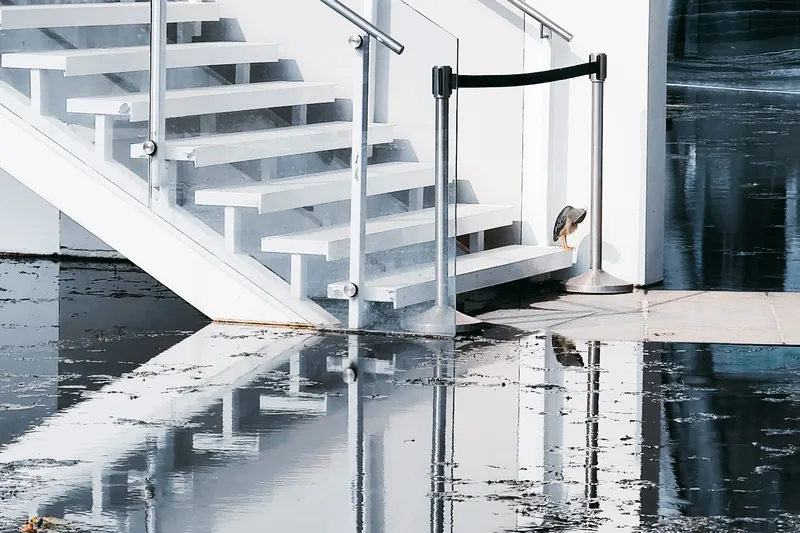
Disinfection and drying follow sewage cleanup of Category 3 black water from raw sewage.
See raw sewage cleanupNo. Law enforcement returns control of the scene after gathering the evidence. Either the owner or the person managing the property is responsible for arranging cleanup.
Common names include forensic cleaning, biohazard remediation, crime scene cleanup, trauma cleanup and forensic clean up. The people who do it are called crime scene cleaners or forensic cleaners.
Affirmative. Dried surface blood can hold certain viruses, including hepatitis B, for multiple days. Approach dried blood just as you would fresh blood.
Police, detectives and the medical examiner collect evidence and remove the deceased, but they do not clean. Crime scene cleanup is commonly arranged by a landlord, family or property owner and completed by professional crime scene cleaners.
Removing fingerprint powder and chemical residue belongs in the forensic cleaning process. The powder is removed dry before a surface-appropriate cleaner is used to prevent staining.
For most residential crime scene cleanup, published pricing guides show a range between $1,500 and $7,500. Small surface cleanups can cost less, and large or multi-room scenes can pass $10,000.
You can request respectful, discreet crime scene cleanup 24 hours a day, and crews use unmarked vehicles.